
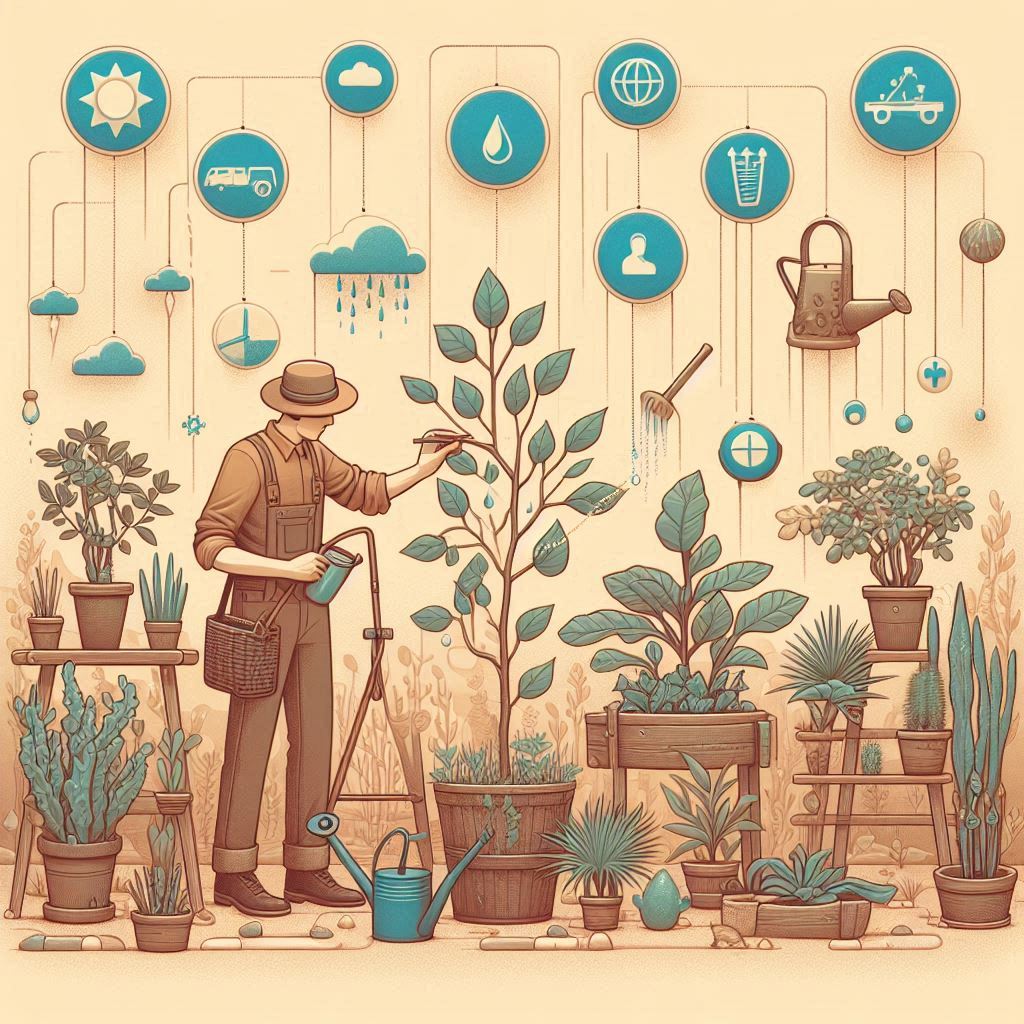

Picking plants that can survive with little water is a smart way to garden, especially in places where water is limited. Whether you want a yard that needs less watering or just want to cut down on irrigation, choosing the right plants helps save water while keeping your garden lively. This guide will show you how to find, pick, and take care of drought-tolerant plants, with real-life examples and expert advice.
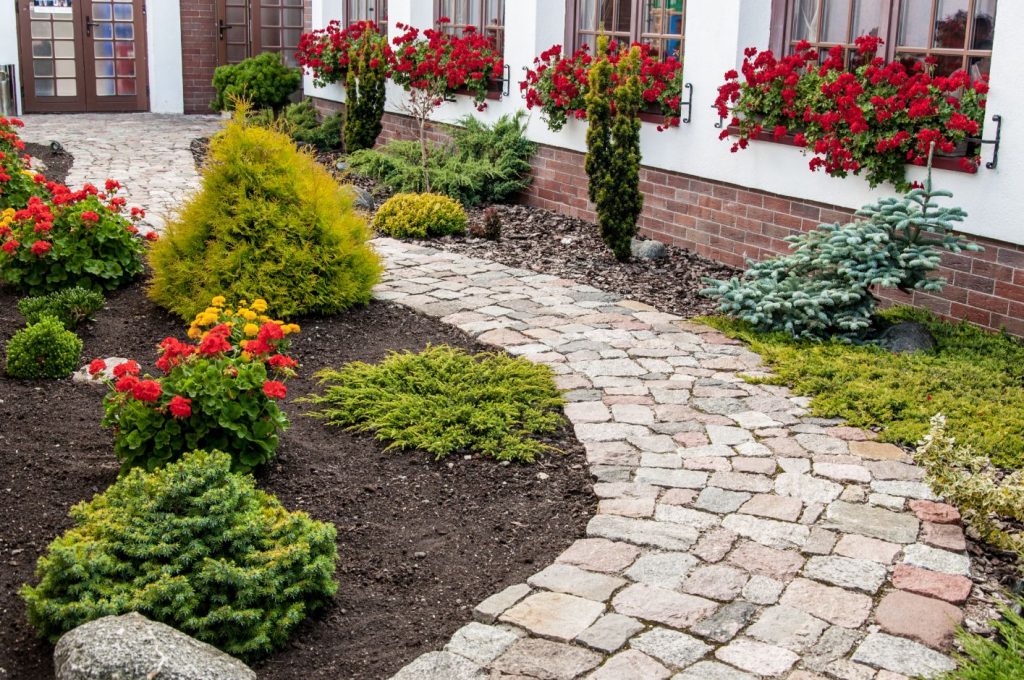
Why Go for Drought-Tolerant Plants?
Plants that can handle drought bring several benefits:
- Save water – Use less water and lower your bills.
- Less upkeep – Need watering less often and require minimal care.
- Good for the environment – Help support local wildlife and prevent soil erosion.
- Look great – Keep your landscape attractive, even in dry conditions.
The Environmental Protection Agency (EPA) states that nearly 30% of household water use in the U.S. goes to outdoor irrigation. Choosing plants that need less water can significantly reduce this amount.
Features of Drought-Tolerant Plants
Plants that survive in dry areas have special traits. Look for these qualities:
1. Deep Roots
Plants like Lavender and Oak Trees grow deep roots to reach underground water.
2. Waxy or Hairy Leaves
Succulents like Aloe Vera and Agave have waxy surfaces to hold in moisture. Plants with fuzzy leaves, such as Lamb’s Ear, trap water and slow down evaporation.
3. Small or Thin Leaves
Plants like Rosemary have small leaves, which means they lose less water compared to plants with big leaves.
4. Storing Water
Cacti and succulents hold water in their stems and leaves, letting them survive long dry spells.
5. Smart Photosynthesis
Some plants, like cacti, process sunlight differently, keeping their moisture levels stable by taking in carbon dioxide at night.
Best Drought-Resistant Plants by Climate Type
| Climate Type | Suggested Plants |
| Dry (e.g., Arizona, Nevada) | Agave, Cacti, Yucca, Desert Willow |
| Mediterranean (e.g., California) | Lavender, Rosemary, Olive Trees, Bougainvillea |
| Moderate (e.g., Midwest, East Coast) | Coneflower, Russian Sage, Black-Eyed Susan |
| Tropical/Dry Savanna | Plumeria, Hibiscus, Succulents |
How to Pick the Right Drought-Tolerant Plants
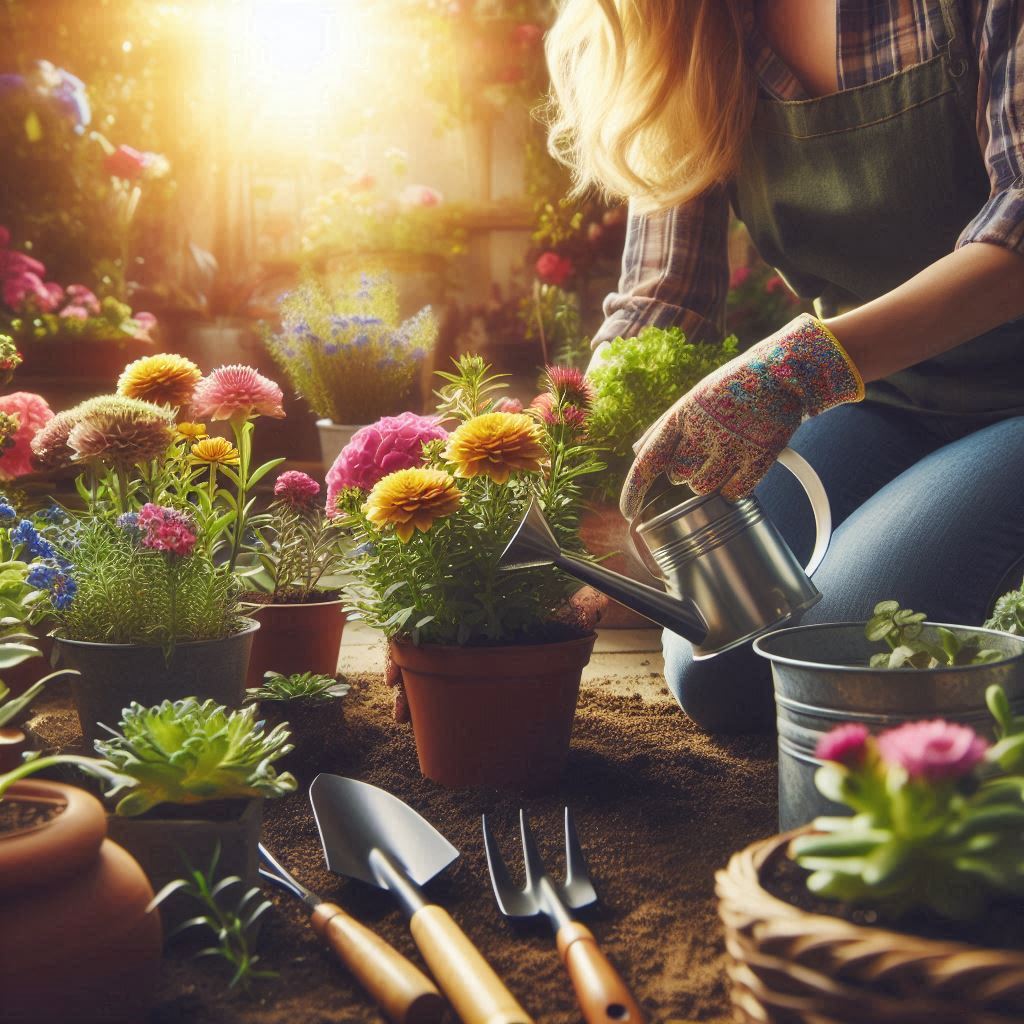
1. Know Your Soil Type
Plants grow better in different kinds of soil. Sandy soil drains fast, which is great for succulents, while clay soil holds moisture longer, making it better for perennials like Daylilies.
2. Sunlight Matters
Make sure your plants match the sunlight in your garden. Sun-loving plants like Echinacea do best in direct sunlight, while shade-friendly plants like Hostas need some cover.
3. Choose Native Plants When Possible
Local plants are already adjusted to your area’s weather and soil. For example, California Poppies work well on the West Coast, while Texas Sage thrives in the Southwest.
4. Check Your Hardiness Zone
Use the USDA Plant Hardiness Zone Map to make sure the plants you choose can survive in your region.
Tips for Growing and Taking Care of Drought-Tolerant Plants
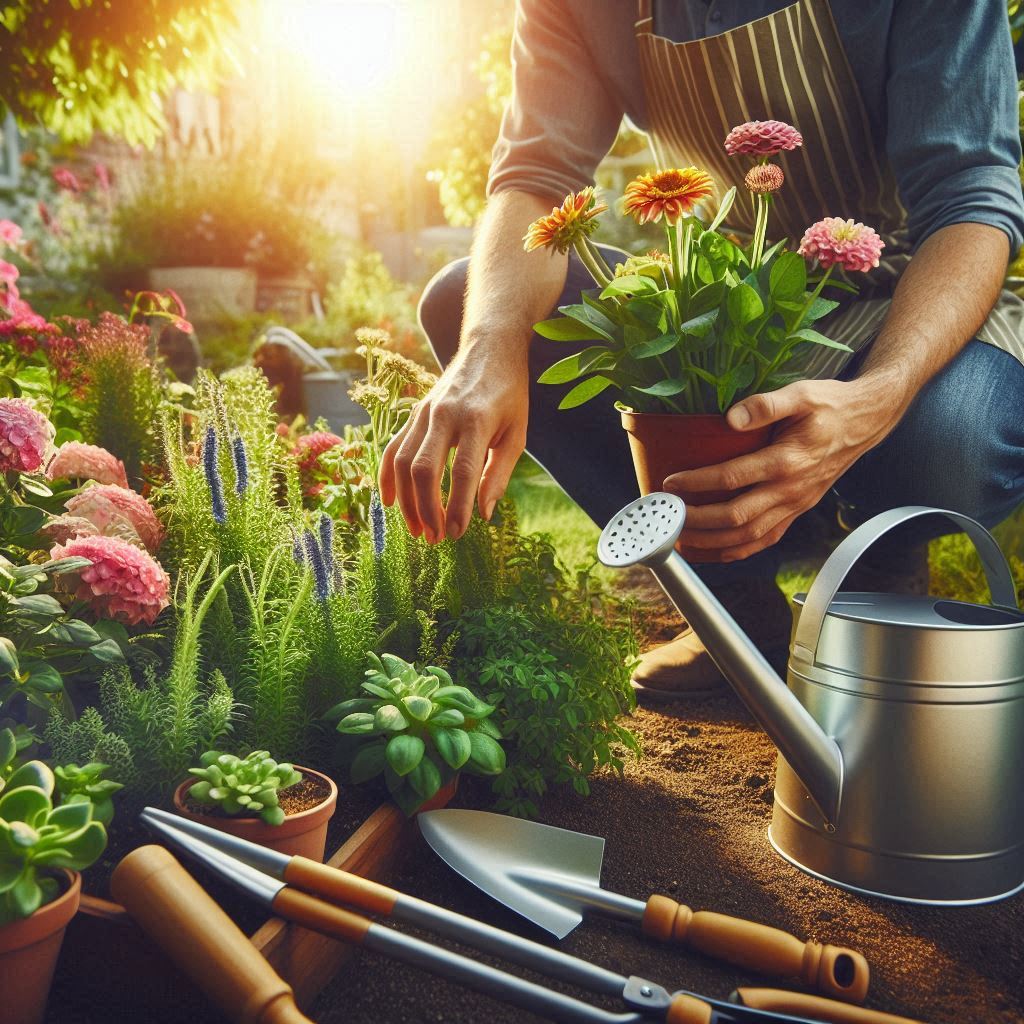
1. Use Mulch
Spread 2-3 inches of mulch around plants to keep moisture in and keep soil temperatures stable.
2. Water the Smart Way
Drip irrigation or soaker hoses send water straight to the roots. Water deeply but not too often so roots grow deeper.
3. Group Plants by Water Needs
Put drought-friendly plants together to save water and prevent overwatering.
4. Cut Back on Grass
Swap water-hungry lawns for ground covers like Creeping Thyme or Sedum.
Real-Life Drought-Friendly Gardens
Example 1: Xeriscaping in Colorado
Many homeowners in Colorado use xeriscaping, replacing grass with local plants, succulents, and drought-friendly flowers. This has led to up to 60% water savings compared to traditional lawns.
Example 2: Dry Gardens in Arizona
In Phoenix, people have switched from lawns to plants like Palo Verde Trees, Ocotillo, and Golden Barrel Cactus. This cuts down on water use while keeping the yard looking great.
Conclusion
Picking the right drought-friendly plants helps create a garden that looks great, needs less care, and saves water. By learning about plant traits, picking species suited to your area, and using smart gardening techniques, you can have a yard that stays healthy with minimal watering.
Thinking about starting a drought-friendly garden? Start by checking your soil, picking native plants, and using water-saving methods. Your yard—and the planet—will benefit!


