
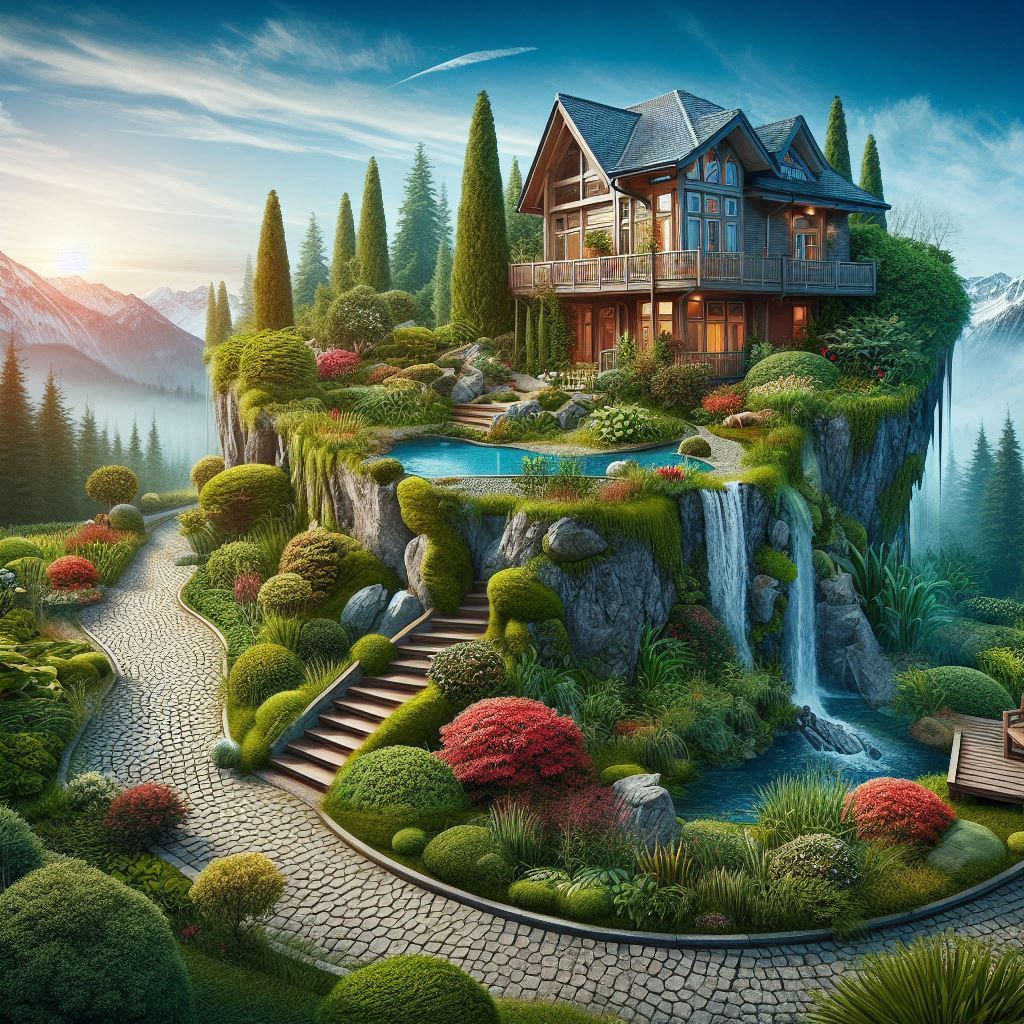

A good landscape boosts curb appeal, raises property value, and provides a relaxing outdoor space. However, many homeowners and even professionals make mistakes that can lead to costly and impractical results. This guide covers five common landscape design mistakes and how to avoid them, helping you create a space that is both attractive and functional.

1. Skipping a Master Plan
Why It’s a Problem:
Starting a project without a clear plan often leads to a messy, inefficient, and unorganized yard.
How to Prevent It:
- Outline a detailed design plan before beginning any work.
- Think about long-term factors, like plant growth, upkeep, and seasonal changes.
- Use landscape design tools or consult a professional to get a clear idea of the final look.
Example:
A homeowner plants trees without considering how big they will grow, leading to crowding and excessive shade that affects grass and other plants.
2. Ignoring Soil and Drainage Needs
Why It’s a Problem:
Not all soil supports a healthy garden. Poor-quality soil and bad drainage can cause plants to struggle and even die.
How to Prevent It:
- Test the soil’s pH and nutrients before planting.
- Improve drainage by adding sand, compost, or adjusting the landscape for better water runoff.
- Select plants that thrive in your specific soil and climate.
Example:
A homeowner installs an expensive flower bed, only to see plants suffer due to poor soil and excess water.
3. Underestimating Maintenance Needs
Why It’s a Problem:
A great-looking yard can quickly become overgrown and messy if upkeep is not taken into account.
How to Prevent It:
- Choose low-maintenance plants if you don’t have much time for yard work.
- Install automatic watering systems for easy plant care.
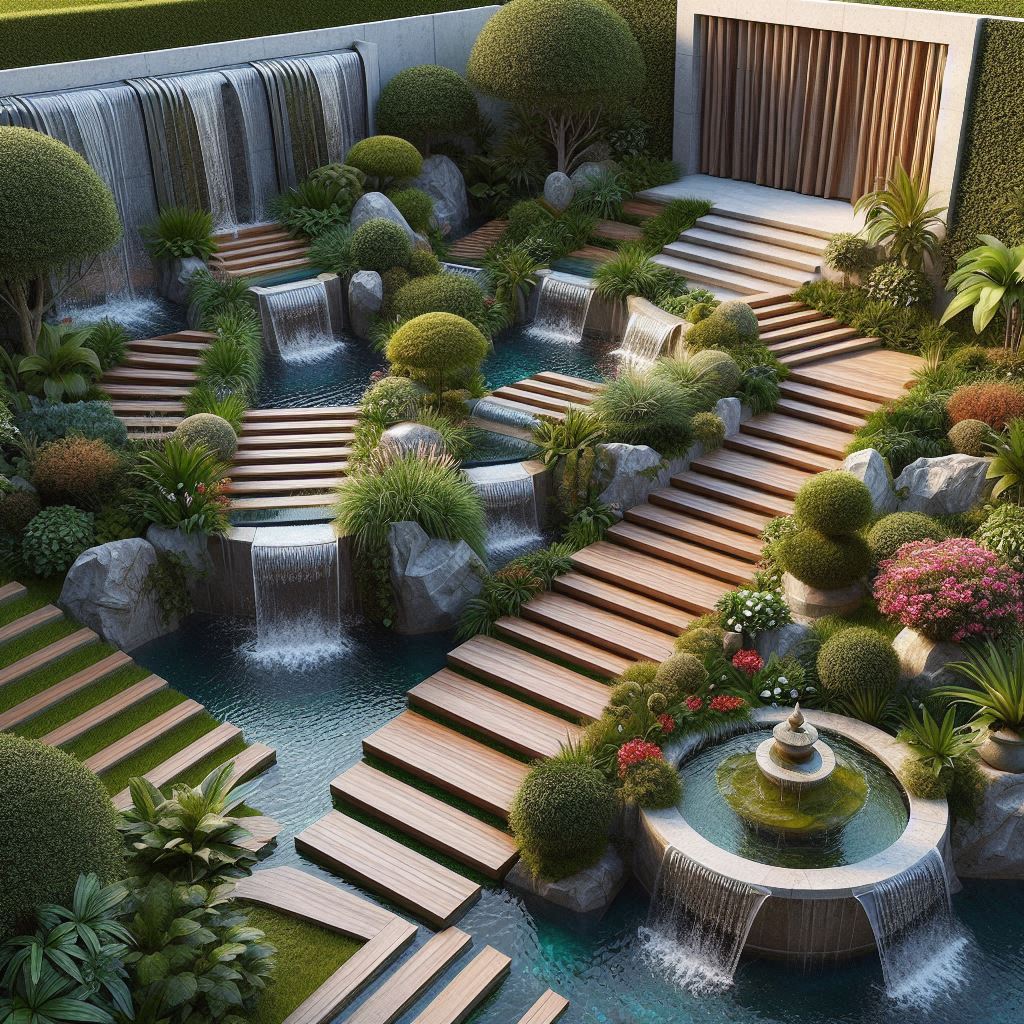
- Use pathways and borders to help control plant growth and reduce trimming needs.
Example:
A busy homeowner plants a high-maintenance garden but lacks the time for upkeep, leading to an untidy and overgrown space.
4. Picking the Wrong Plants
Why It’s a Problem:
Choosing plants just for their appearance can result in poor adaptation to the environment, pest problems, or uncontrollable spreading.
How to Prevent It:
- Research native and climate-friendly plants that are easy to maintain.
- Avoid plants that spread aggressively and might take over the space.
- Consider sunlight, water needs, and soil conditions when choosing plants.
Example:
A homeowner plants bamboo because it looks nice, only to find it spreading uncontrollably, damaging walkways and nearby gardens.
5. Overlooking Practical Use

Why It’s a Problem:
A beautiful landscape should also be practical and suit your lifestyle needs.
How to Prevent It:
- Plan your space with a purpose—whether for relaxation, entertaining, or gardening.
- Install walkways, seating, and lighting to improve safety and convenience.
- Think ahead about features for kids, pets, or outdoor activities.
Example:
A homeowner adds a stylish stone path that becomes dangerously slippery when wet, making it unsafe to use.
Conclusion
Avoiding these mistakes can help you create a functional and visually appealing outdoor space. By planning ahead, considering maintenance, selecting the right plants, and focusing on usability, you can design a landscape that suits your needs. Whether you’re doing it yourself or working with a professional, these tips will guide you toward a successful and long-lasting outdoor design.


